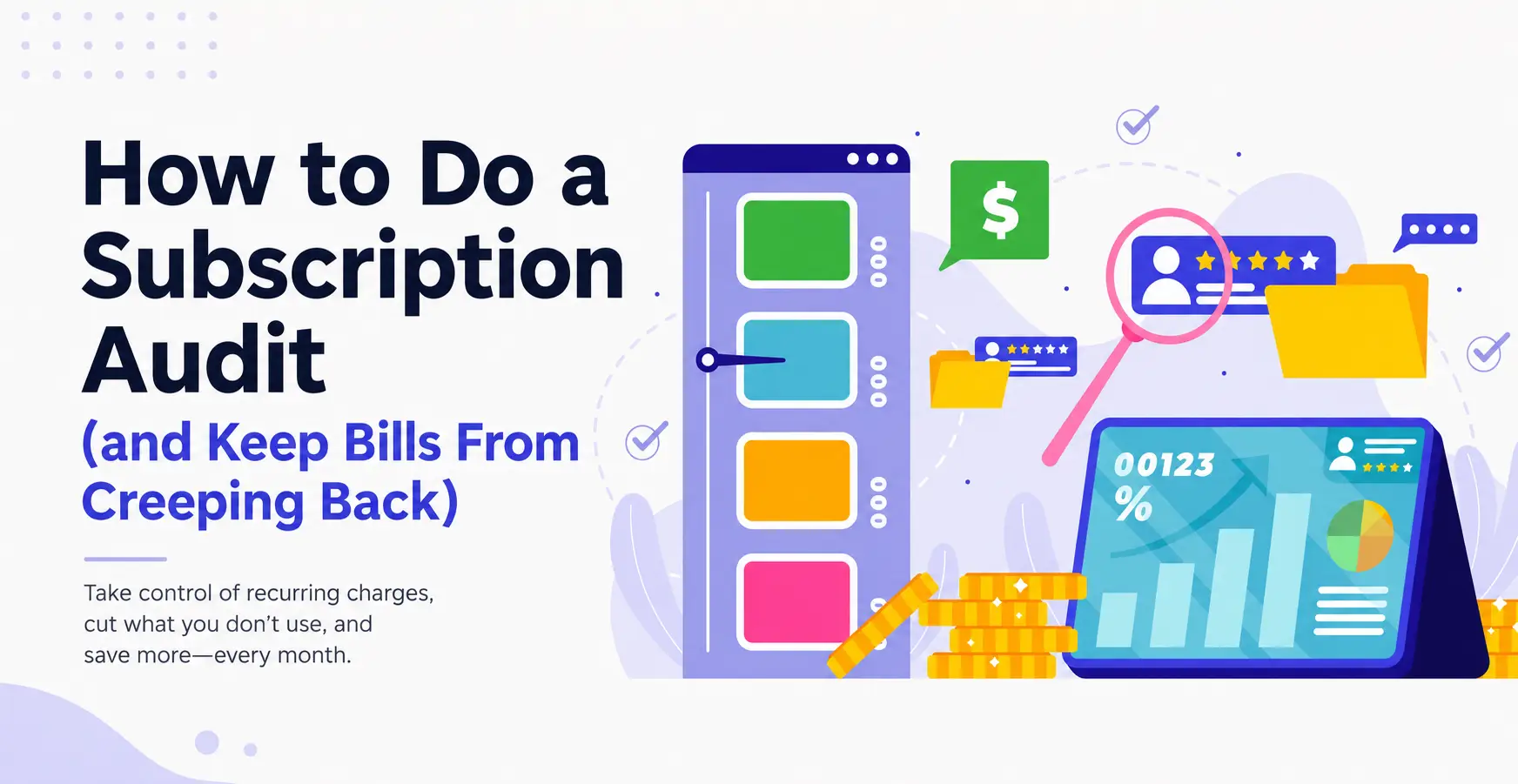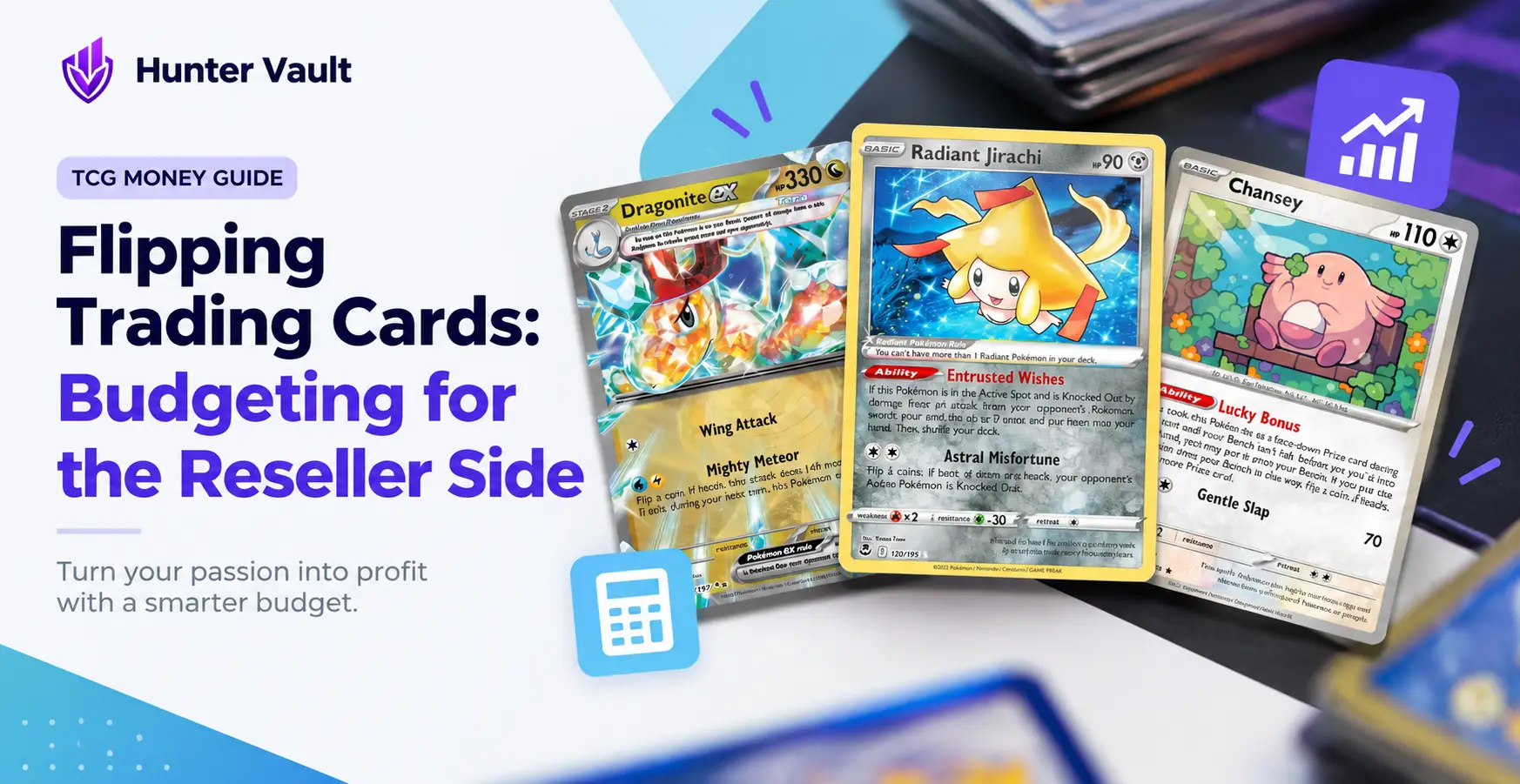
How to Do a Subscription Audit (and Keep Bills From Creeping Back)
A subscription audit is the easiest money you'll get back — no lost income, no cutting what you enjoy. Here's how to run one and keep bills from creeping back.
Tips, guides, and real-world strategies to level up your personal finance game.
A subscription audit is the easiest money you'll get back — no lost income, no cutting what you enjoy. Here's how to run one and keep bills from creeping back.
Recurring transactions are the charges you set up once and stop noticing. Here's what counts, why they quietly drain your budget, and how to see them.
Gacha games show you primogems, not money. Here's how to track what you actually spend on Genshin and Honkai, set a pull budget, and keep playing guilt-free.
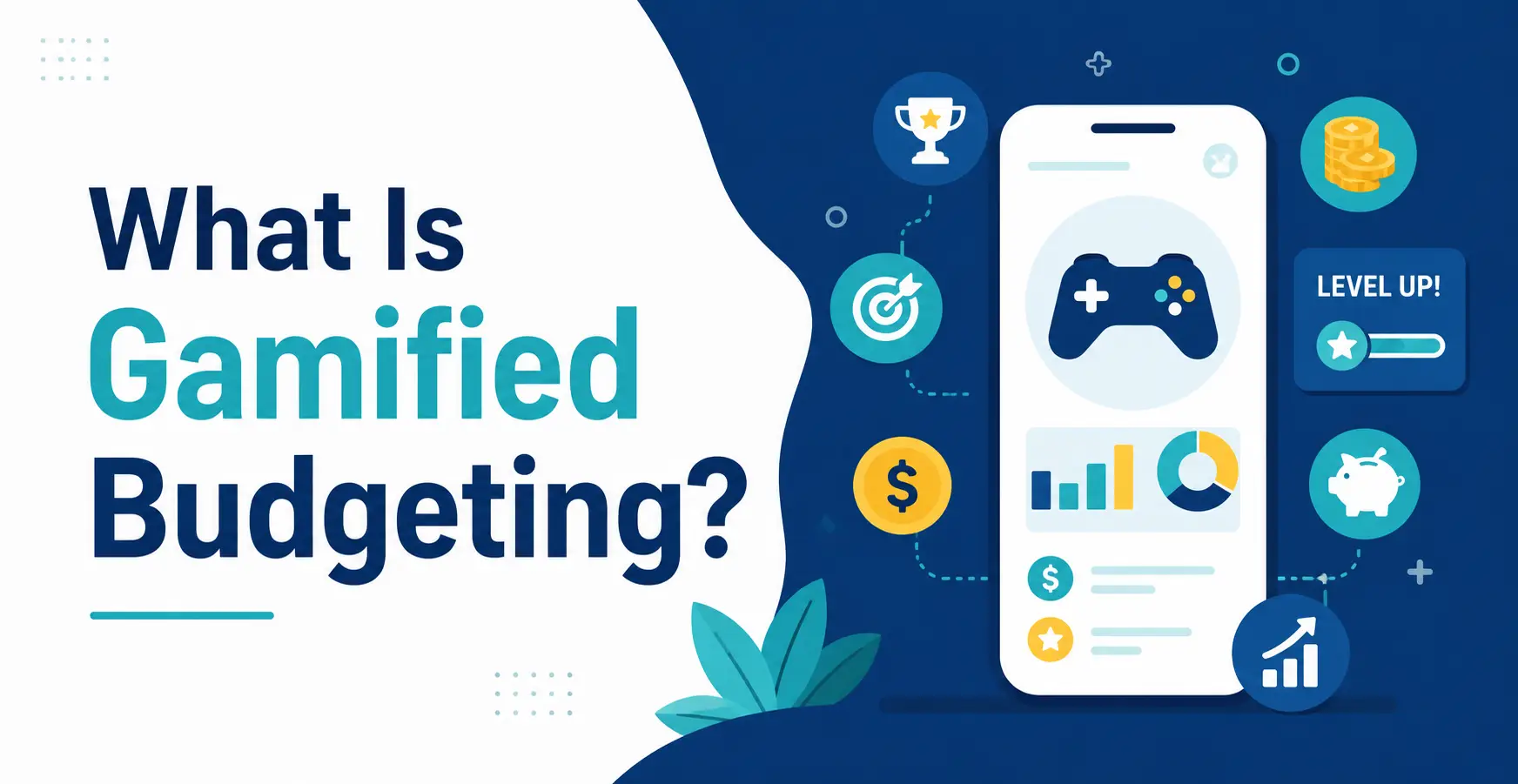
Gamified budgeting applies points, streaks, and quests to money habits so you actually stick with them. Here's what it is and how it works.
A weekly spending review takes 10 minutes and keeps your budget on track. Here's a simple routine to spot problems before they grow.
A sinking fund is money saved gradually for a known future expense. Here's what it means, how it works, and why it stops bills from blindsiding you.
Your safe-to-spend number is what's truly free to spend after bills, goals, and buffers. Here's what it means and how to find yours.
Small purchases feel harmless until you see the total. Here's why they add up so fast, and how to spot the ones quietly draining your money.
What minimum payments really do, why paying only them stalls you, and how to handle them when money is tight without falling behind.
Should you save or pay off debt first? Here's how to do both at once without stalling your payoff or leaving yourself with no safety net.
Paying down a card while still using it keeps you stuck. Here's how to stop using credit cards during payoff without going cold turkey on everything.
Most people don't fail at budgeting because they don't care. They fail because consistency is hard. Here's why showing up beats tracking perfectly.
Hunter Vault's new Weekly Hunter Leaderboard is a privacy-first, opt-in board that ranks you on habit-based Hunter Points from quests and tracking — never your financial data.
Debt payoff feels slow because of interest and invisible progress, not because you're failing. Here's why, and how to stay consistent.
Avoiding your credit card balance makes it scarier, not smaller. Here's how to track credit card debt without the dread, and why visibility helps.
Learn how to track expenses without spreadsheets or stress. A simple, beginner-friendly system to see where your money actually goes.
No savings yet? Here's how to build an emergency fund from zero, how big it should be, and where to keep it so you don't spend it.
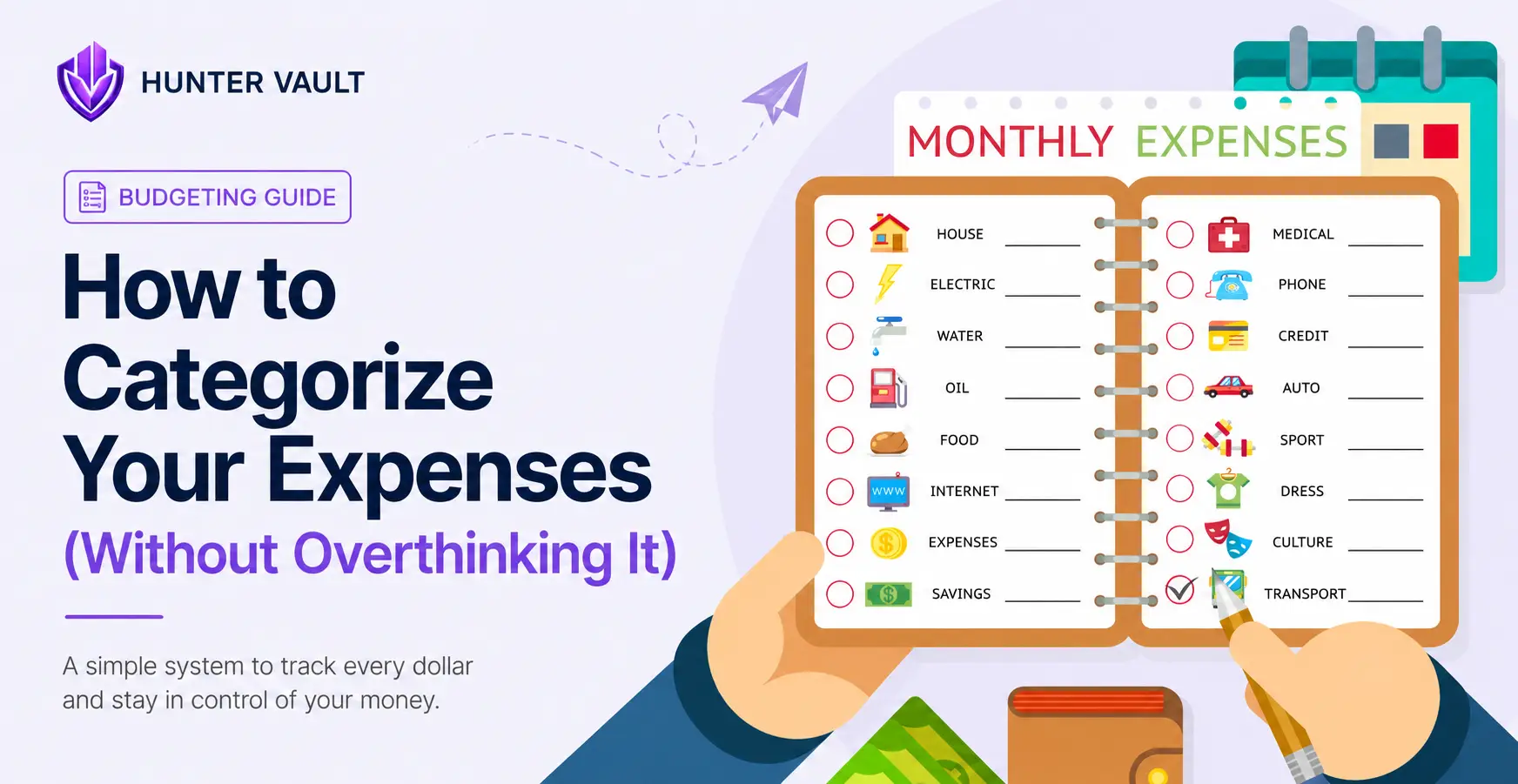
Too many expense categories make you quit. Here's how to categorize your expenses simply, so tracking stays useful instead of becoming admin.
Can't seem to save? Here's how to start saving money even when you keep spending, with a system that works without relying on willpower.
How much of your income should go to debt payoff? Here's how to find a sustainable amount that clears debt without wrecking your monthly life.
Food delivery overspends quietly because of hidden fees, one-tap reordering, and low-energy moments. Here's how to give delivery its own budget and keep ordering guilt-free.
You don't have to quit your hobbies to budget well. Here's how to budget for hobbies so you can enjoy them without guilt or overspending.
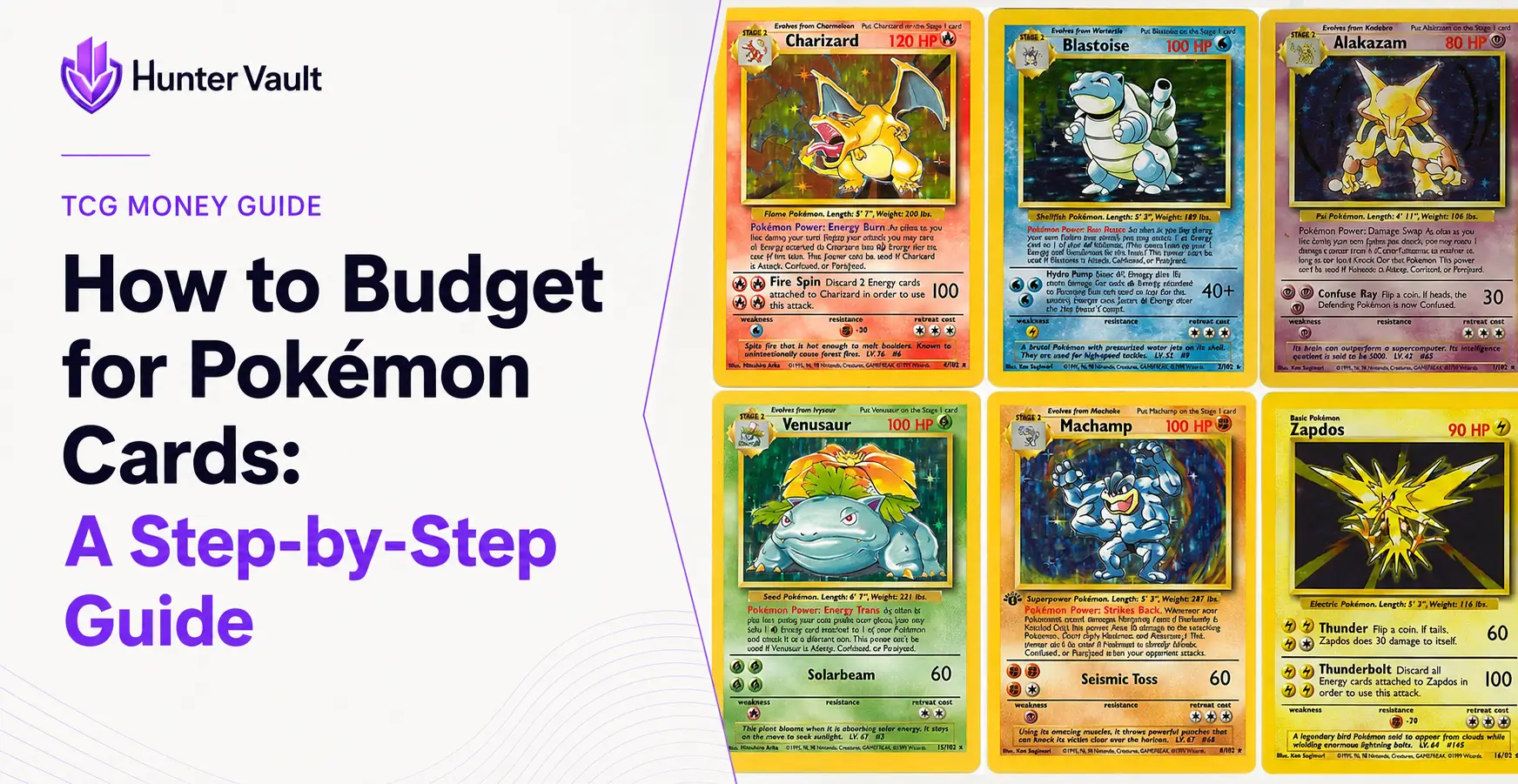
A beginner's guide to budgeting that doesn't feel like punishment. Build a simple budget you can actually stick to, step by step.
Online shopping is built to be too easy. Here's how to control it without quitting entirely, using friction and a planned budget instead of willpower.
Debt payoff feels slow because you rarely see progress. Here's how to make it visible, stay consistent, and keep going when motivation dips.
Stop impulse spending without cutting all the fun. Practical friction tricks, a guilt-free fun budget, and why willpower alone never works.
The best debt payoff tracker apps make progress visible so you stay consistent. Compare Undebt.it, YNAB, Debt Payoff Planner, Rocket Money, and Hunter Vault — and how to pick.
A step-by-step guide to building a debt payoff plan from scratch: list your debts, pick an order, set your payment, and track your progress.
Snowball clears small debts first for motivation. Avalanche saves more interest. Here's how to choose the method you'll actually stick with.
Want to track spending without linking a bank? Here are four no-bank, manual expense trackers compared honestly, with the best pick for each kind of user.
Worried about linking your bank to a budgeting app? You don't have to. Here's why manual tracking works, and a simple method you can start today.
Budgeting feels boring but games don't, and the difference is design. Here's how to borrow quests, streaks, and progress bars to make budgeting fun.
Tired of advice that says spend less or quit? Here's how to set a gaming budget you'll actually stick to — keep playing, lose the surprise spending and guilt.
Most money habits fail because they're too big and reward nothing. Here's how to build money habits that actually stick, using small actions and a simple loop.
Spending more on gacha pulls than you meant to? Here's how to cap and track gacha spending so you can keep playing the games you love, minus the regret.
Looking for a budgeting app that feels like an RPG or anime progression system? Here's what to look for, the options that exist, and who each one fits.
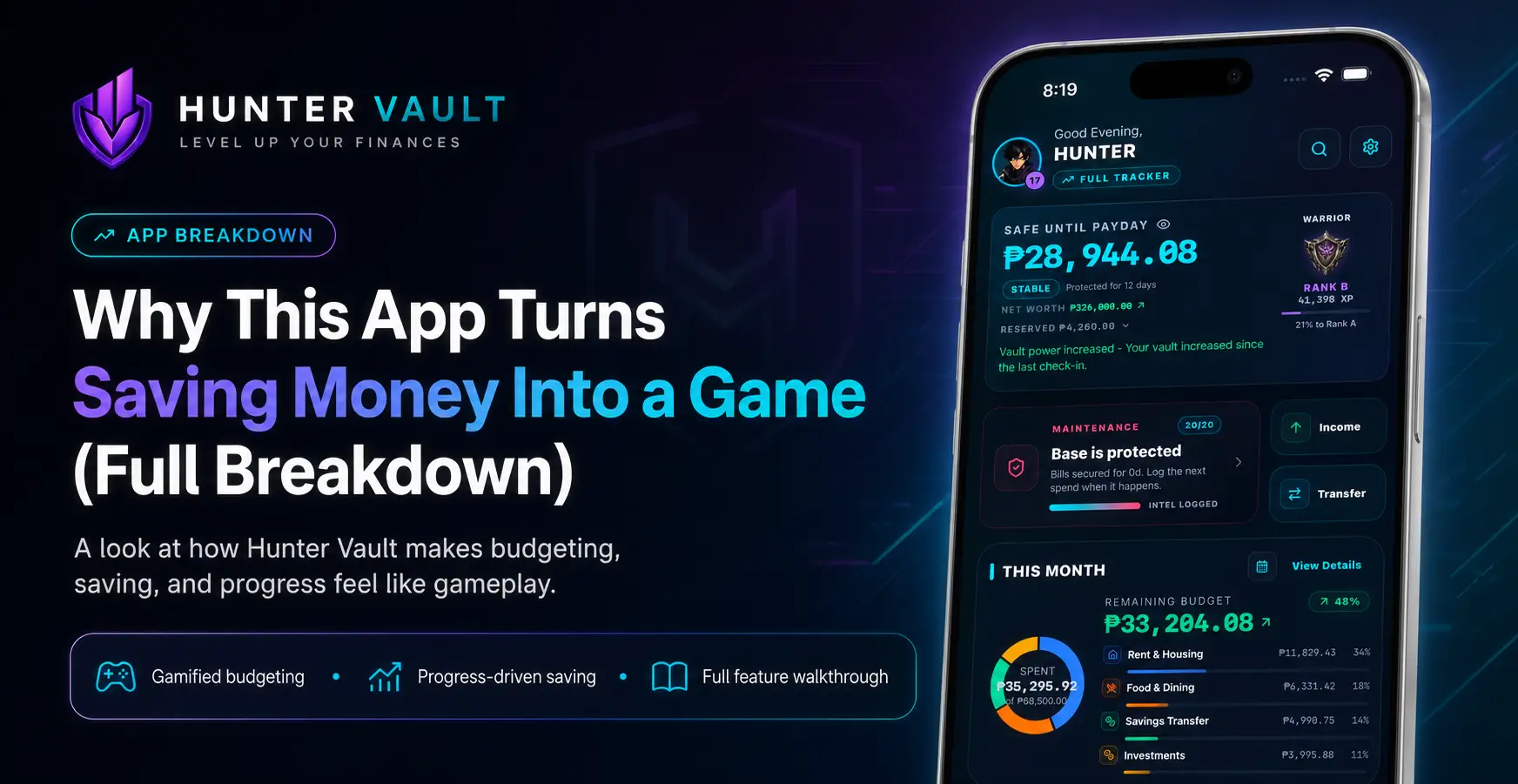
Can turning saving into a game actually work? Here's the psychology behind it, plus a full breakdown of how Hunter Vault gamifies saving with quests and XP.
Turn your life into a game with the Stat Sheet Method: stats, quests, XP, and streaks to level up your life, starting with the stat most people avoid.
Budgeting tools that fight your ADHD brain don't stick. Here's how to budget with ADHD using forgiving, low-effort systems — and the apps that actually help.
Wondering if you spend too much on games? Here's what people actually spend per month, and a simple way to find the right number for your own situation.
Booster boxes, singles, grading, sleeves, locals fees — One Piece TCG spending adds up fast. Here's how to track and cap it without quitting.

Gaming spending isn't one thing — subscriptions, microtransactions, and full games each need a different rule. Here's how to budget for it all.
Ragnarok's Zeny and cash-shop spending adds up fast and the game hides the total. Here's how to see what you've really spent and set a cap you'll actually keep.
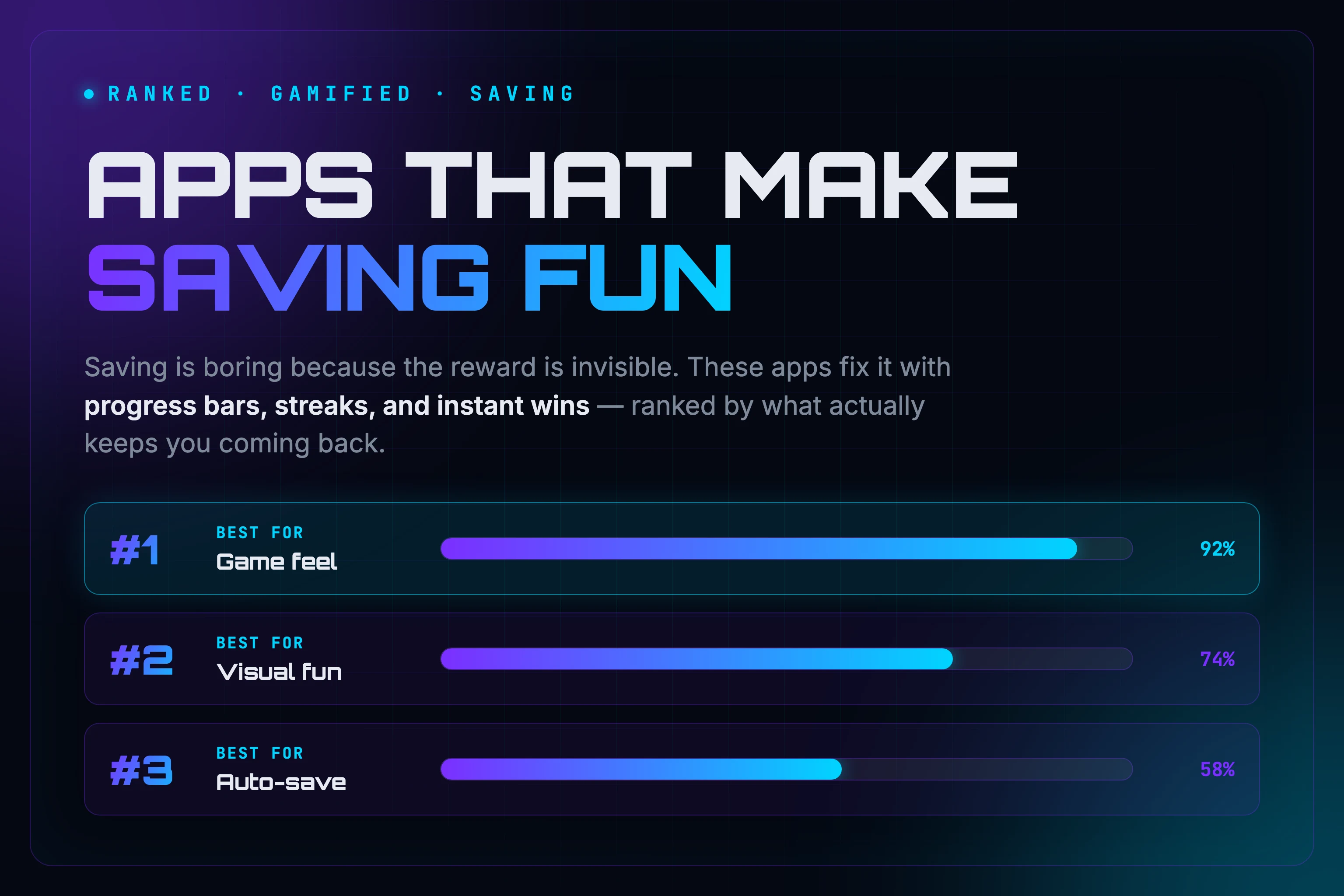
Saving feels boring? These ranked apps make saving money fun with games, streaks, and rewards. Here's what each one does best and who it's for.
Hate budgeting but need to manage money in college? These free and fun finance apps for students make it painless. Here's what each one does best.
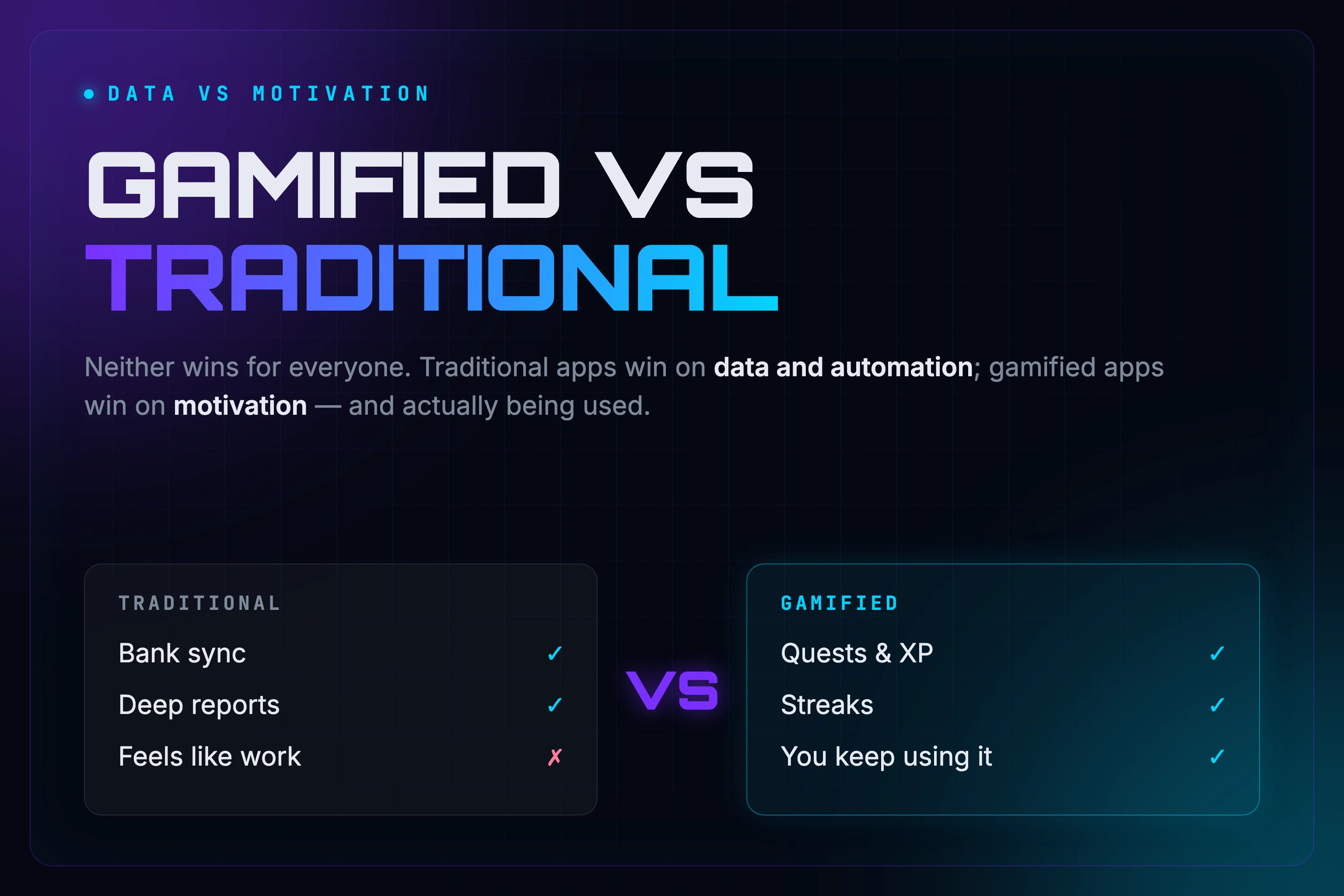
Gamified or traditional budgeting app, which actually works? Here's an honest comparison of both, what each does best, and how to pick the right one for you.
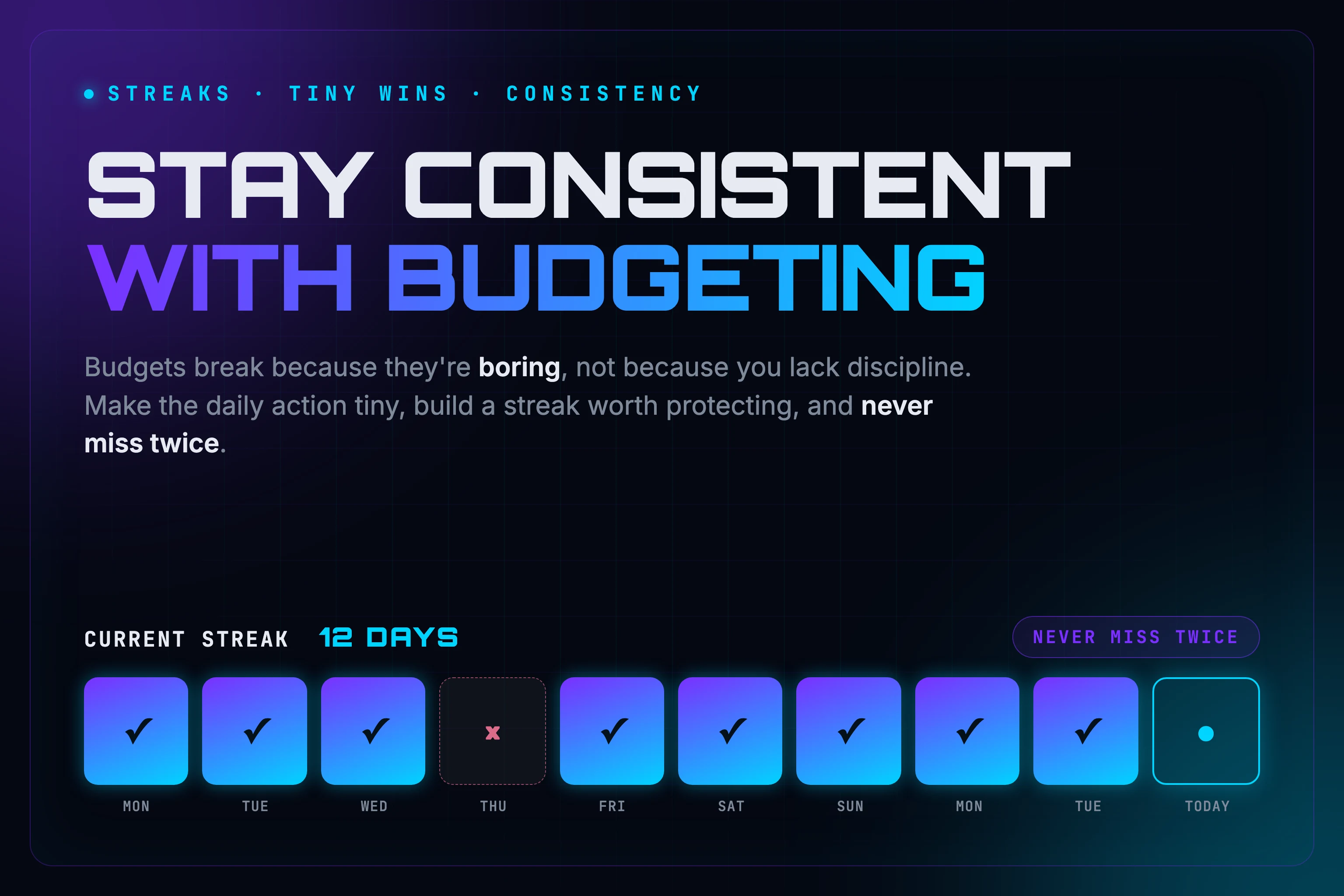
Keep quitting your budget after a few days? Here's how to stay consistent with budgeting using a simple gamified method built around small, repeatable wins.
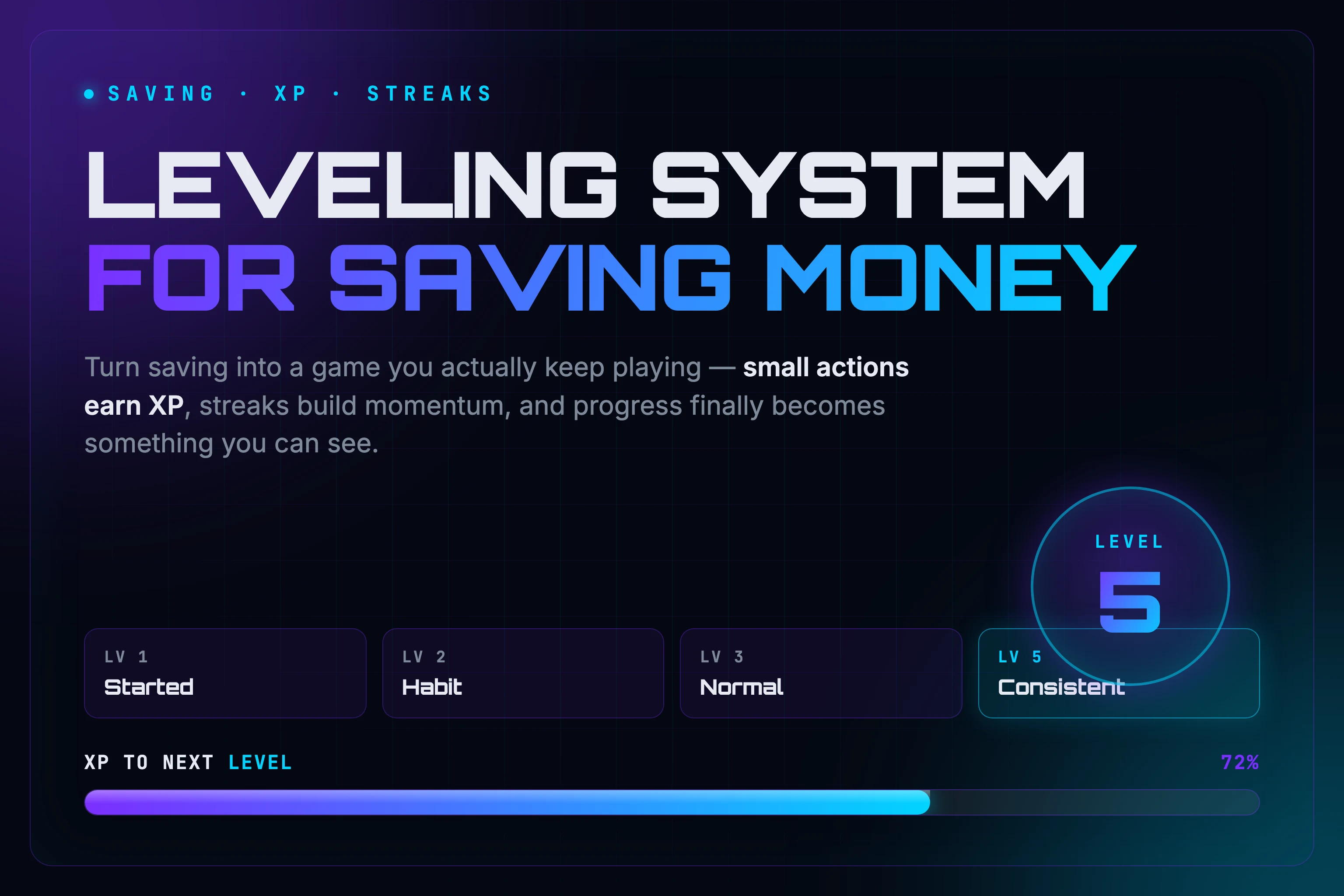
A leveling system for saving money uses XP, levels, and streaks to turn the saving habit into visible progress. Here's how to build the mechanic step by step.
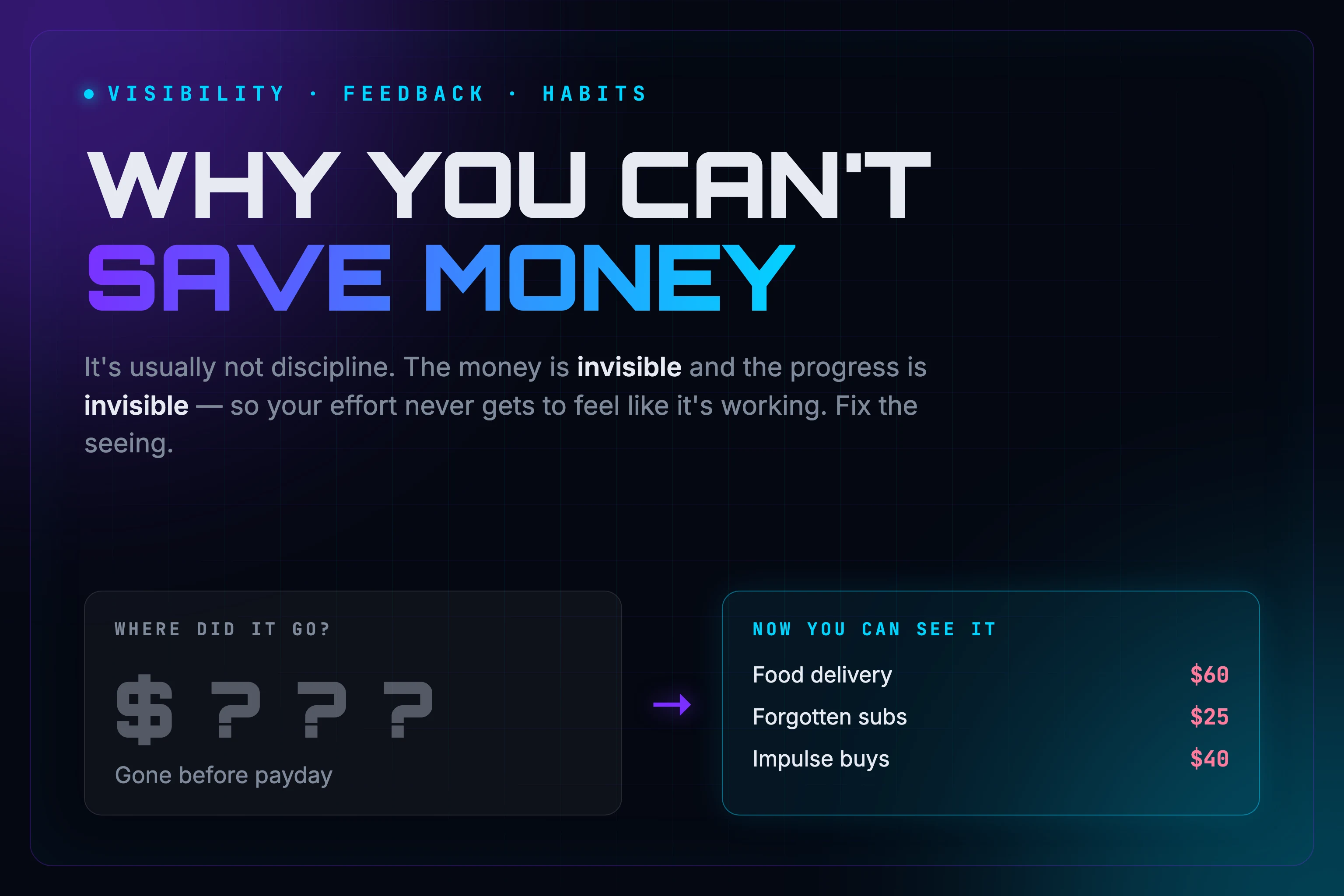
Can't save money no matter what you try? Usually the problem isn't discipline, it's visibility. Here's why saving feels impossible and how to fix it.
Tried budgeting and quit after a few days? Here's how to run your budget as an RPG — daily quests, streaks, and beatable bosses — so it finally sticks.
The definitive guide to gamifying your finances. A complete RPG-style system of quests, XP, levels, streaks, and bosses for building real money habits that stick.
Most budgeting feels like punishment. These 13 RPG-inspired habits — quests, XP, ranks, and boss fights — make leveling up your money feel motivating instead.
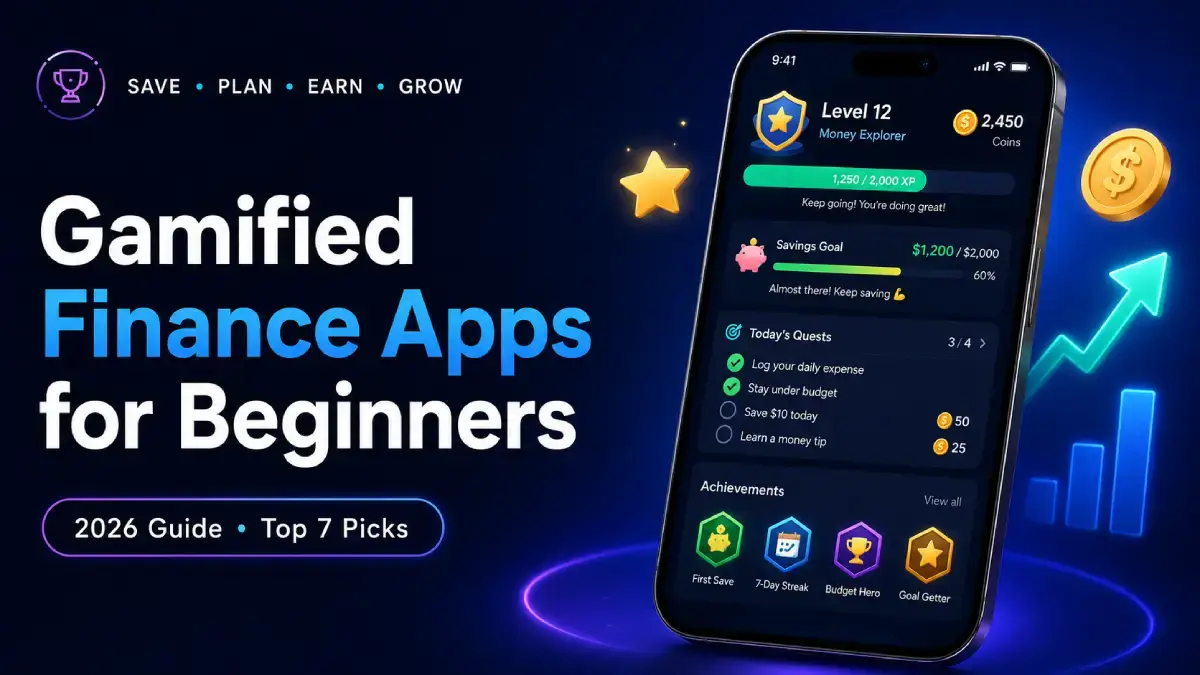
The best gamified personal finance apps for beginners in 2026 — quests, rewards, and challenges that make managing money feel motivating.
Want saving to feel fun? Turn savings challenges like no-spend and 52-week into a gamified system with XP, streaks, and visible progress that actually sticks.

Version 2.0 introduces a fully reimagined onboarding experience, critical bug fixes, and significant under-the-hood stability improvements.
Version 1.9 fixes critical Battle Log bugs, clarifies debt terminology, and tightens up the Profile and Debt Management screens.
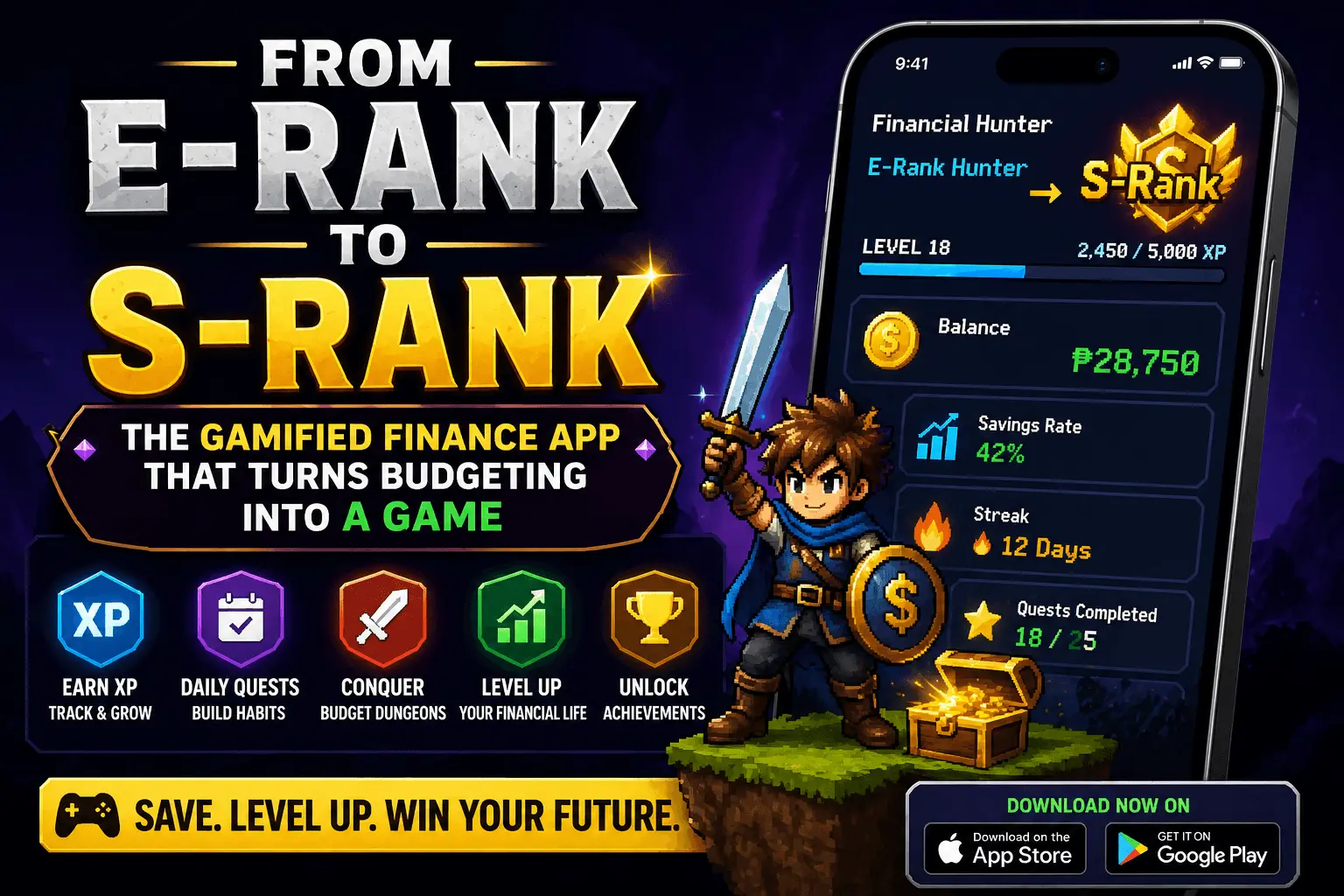
Boring budgeting apps don't stick. See how a gamified finance tracker turns saving, budgeting, and debt payoff into quests, XP, and visible progress.
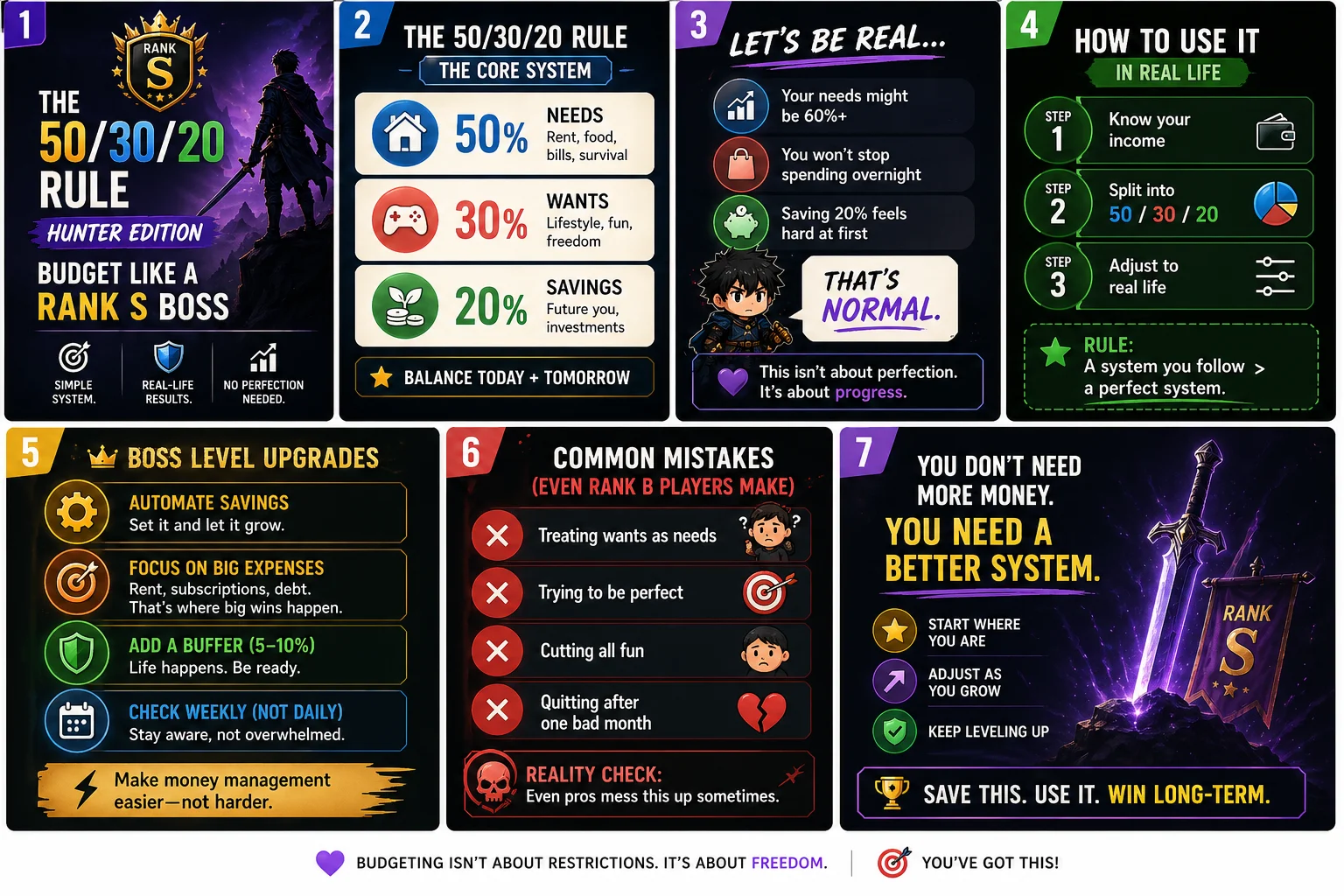
Learn the 50/30/20 rule in a real, relatable way. No fluff—just practical, experience-based budgeting that actually works for your real income and lifestyle.
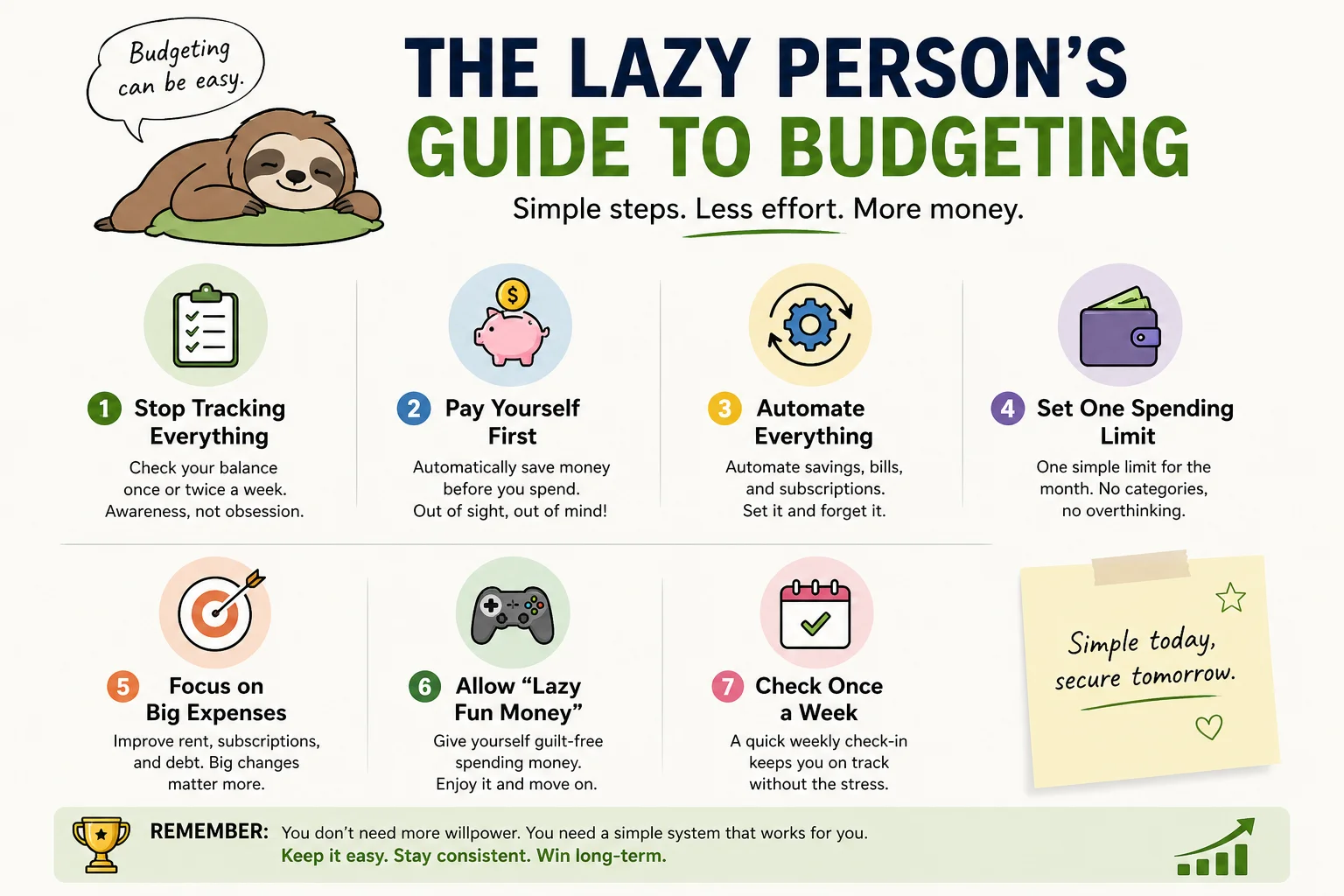
The lazy person's guide to budgeting: low-effort hacks that actually work. Automate the important parts, skip daily tracking, and save money without the grind.
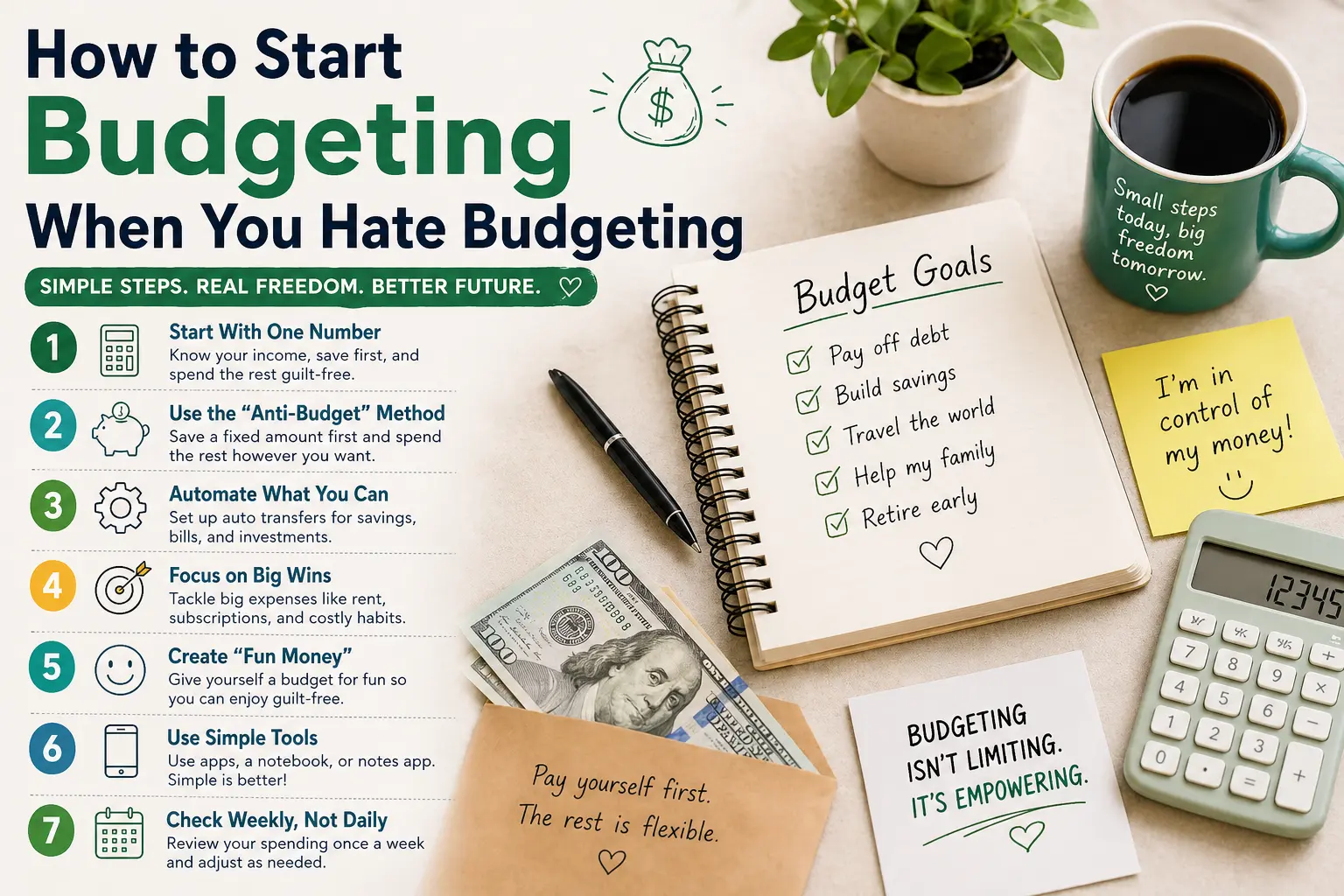
Hate budgeting? Learn 7 simple, low-pressure ways to start a budget you'll actually keep — no spreadsheets, no shame, just a system that fits real life.
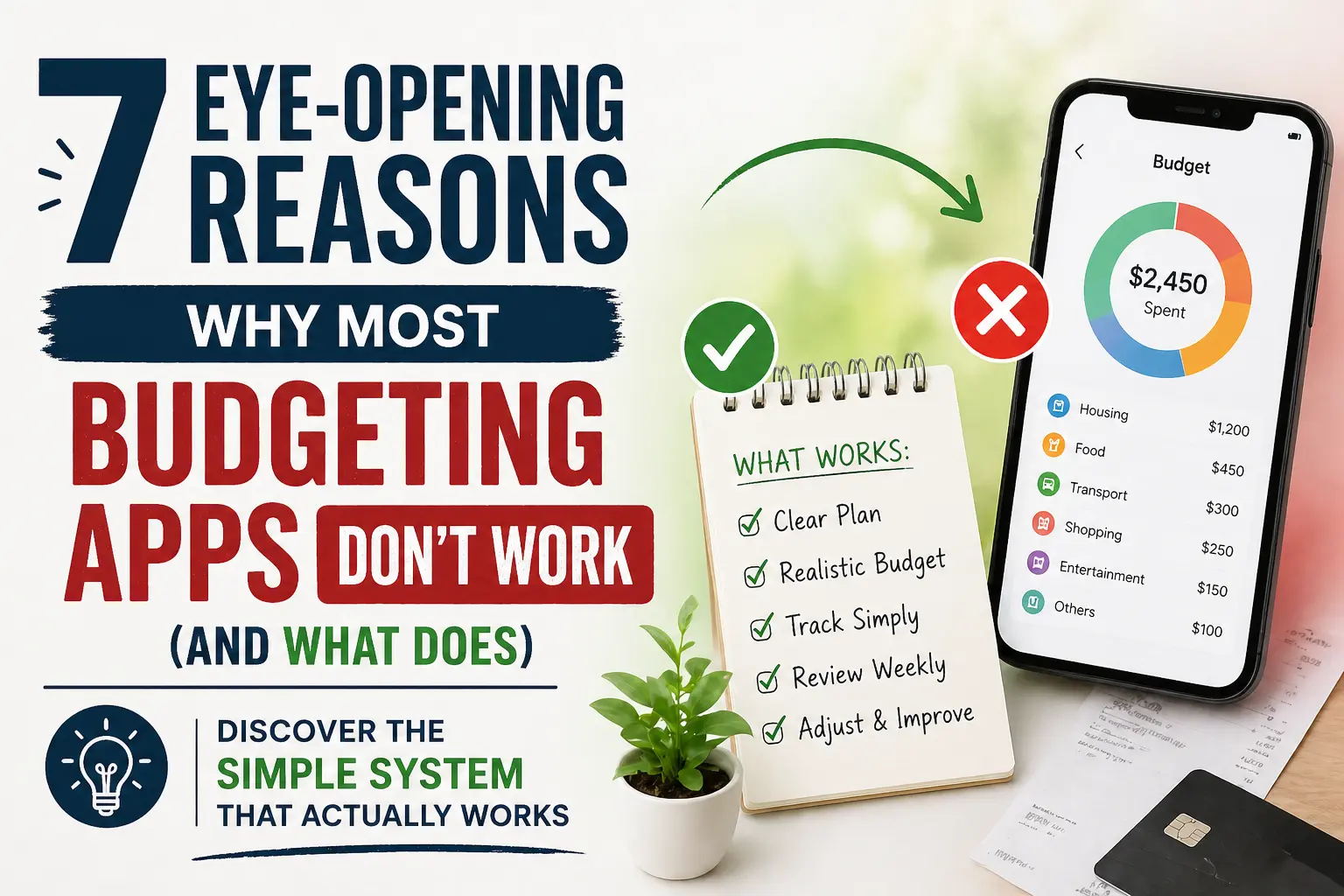
Most budgeting apps get abandoned within weeks. Here's why they fail — and the simple, low-effort system that actually helps you stick with managing money.
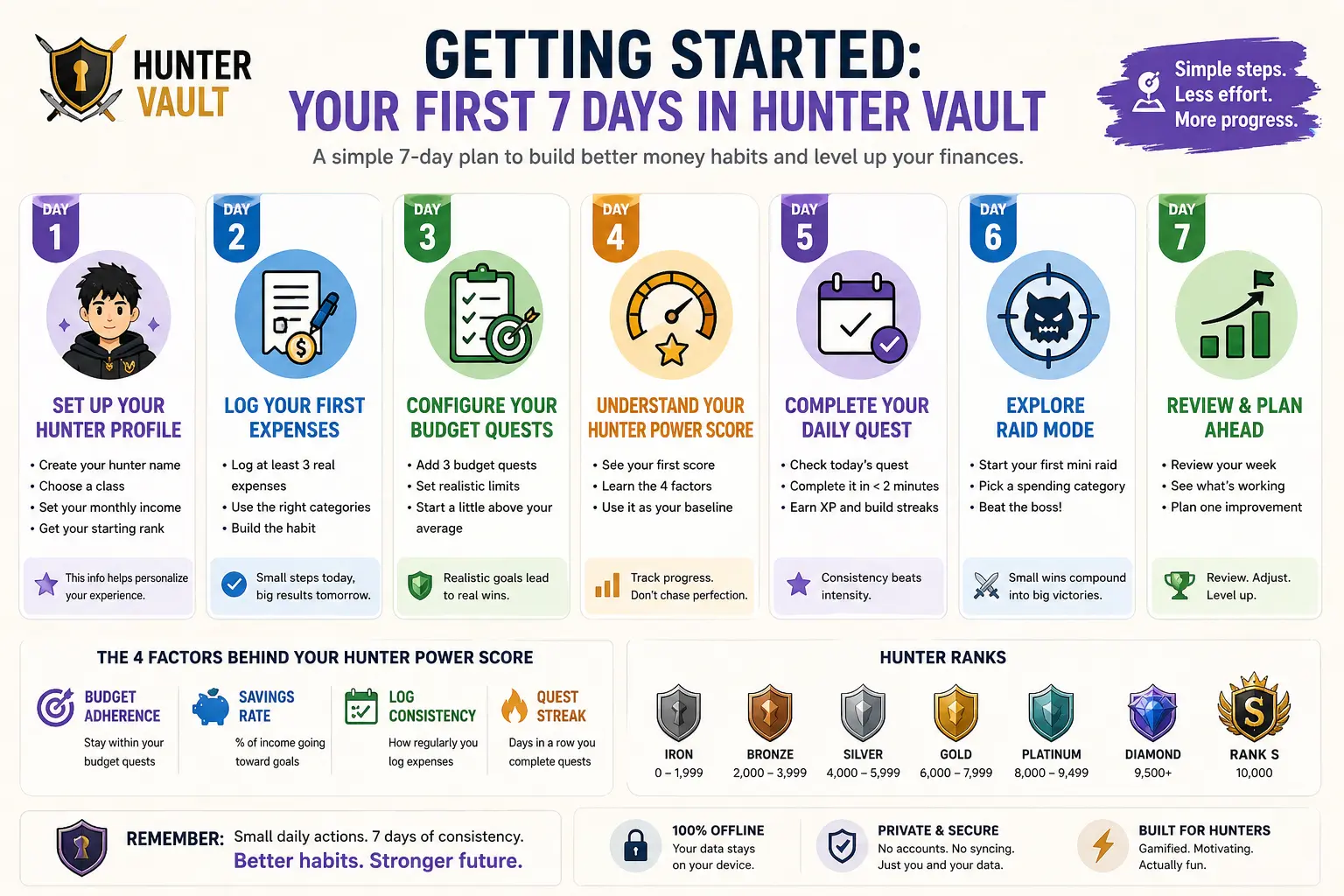
New to Hunter Vault? The exact steps to set up, log your first expenses, configure quests, and finish your first month — in under 10 minutes.
// no articles found matching your search