// vs PocketGuard

A PocketGuard alternative for people who'd rather

feel it than automate it.

PocketGuard's 'In My Pocket' number is clever — subtract your bills, goals, and limits from your live bank balance and you get what's safe to spend right now. But if automatic tracking never changed your behaviour, you don't want to link your bank, or you'd rather build an actual habit, Hunter Vault takes the other route: manual, gamified, and free to start.

  • Free to start
  • No account needed
  • Works offline
Hunter Vault expense tracking screen showing quests and XP progress
// the real problem

Knowing what you can spend is different from caring about what you do spend.

PocketGuard's idea is sound: take your income, subtract your recurring bills, savings targets, and budget limits, and show you what's genuinely safe to spend. For people who want a hands-off overview, that number is useful. It removes the math and gives you a clear signal.

But a lot of people had a number like that — whether from a bank app's balance or another budgeting tool — and still overspent. Because seeing the number isn't the same as making a decision every time you spend. Automation removes friction; it also removes the moments of awareness that friction creates.

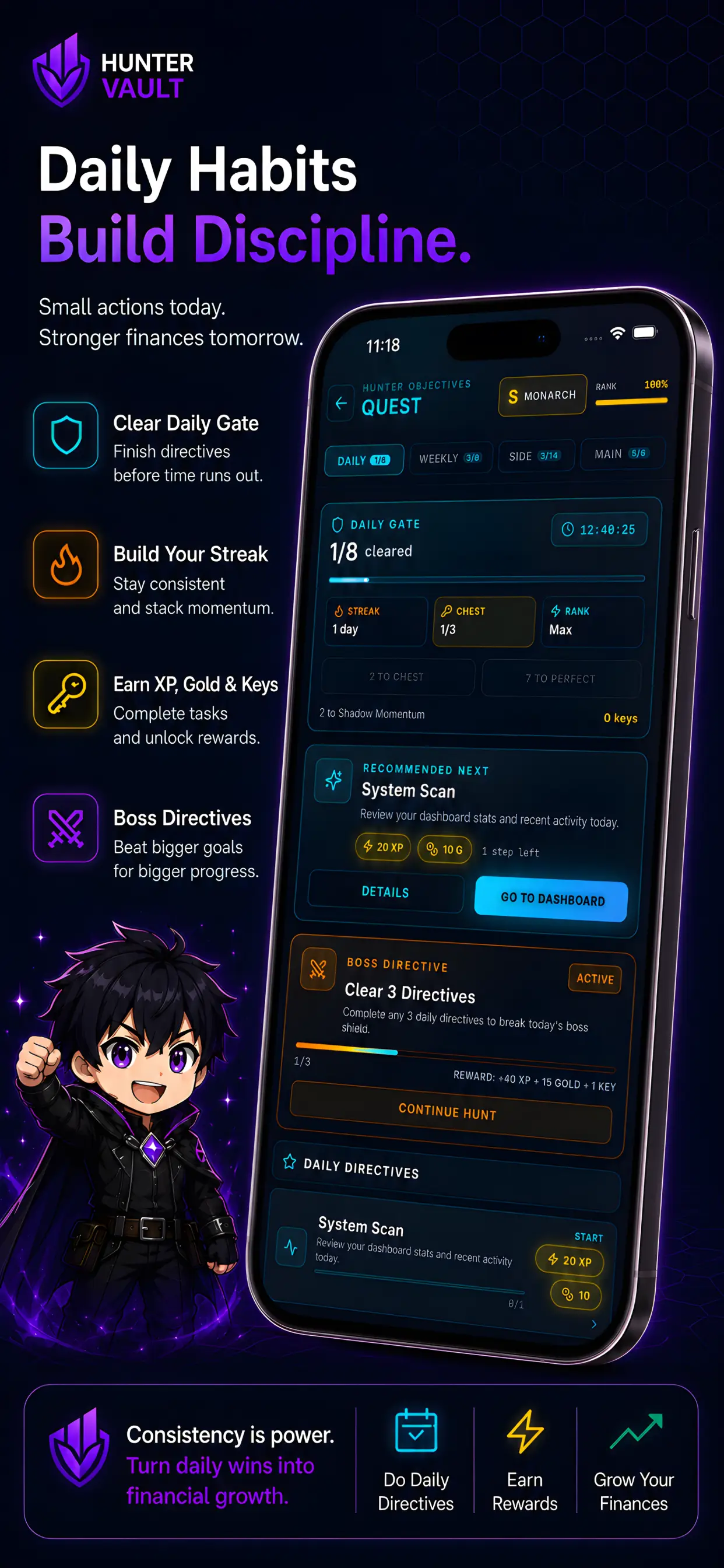
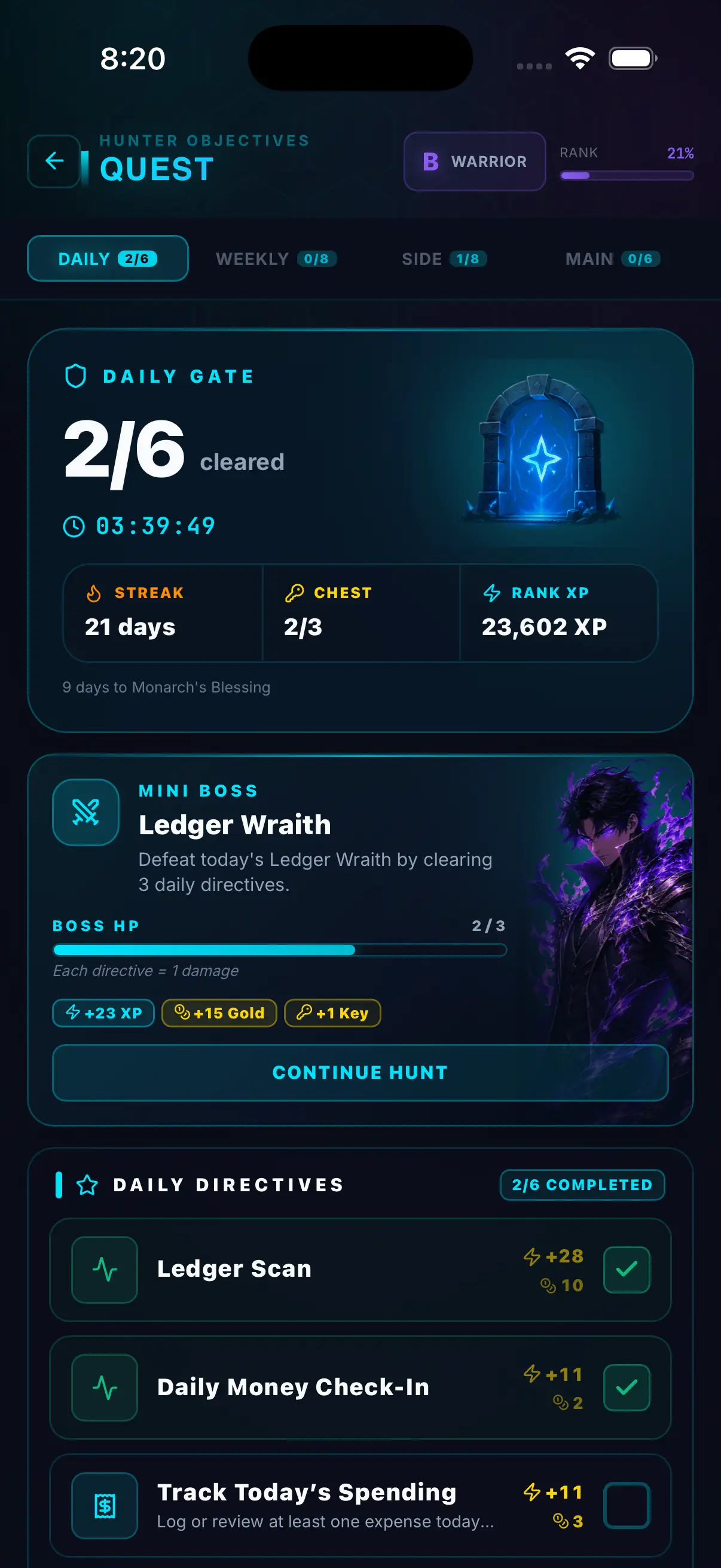
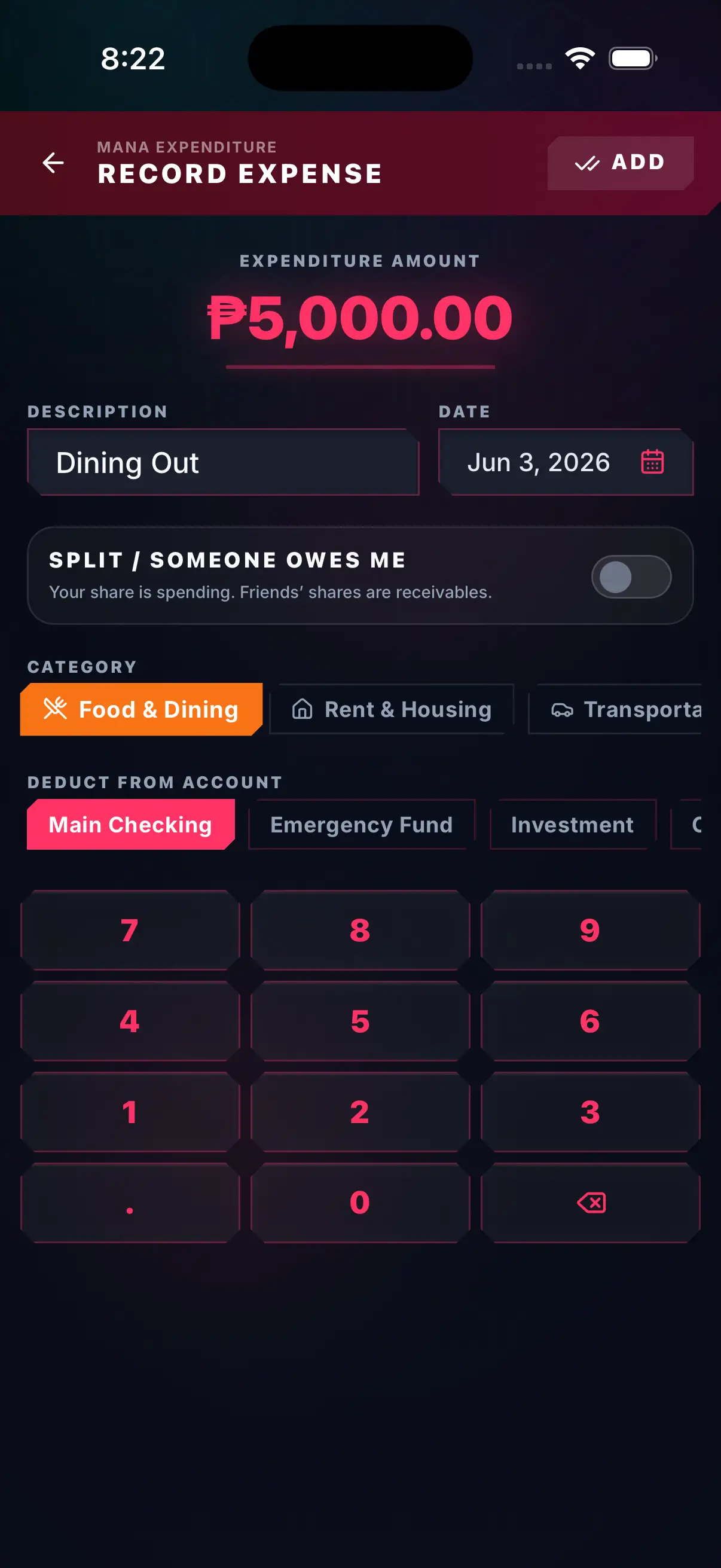
Hunter Vault makes you log every expense. That sounds like more work, and it is — but game mechanics turn that work into a reward loop. A quest completes, a streak grows, your rank climbs. The awareness becomes a habit. The habit changes the spending.

  • A safe-to-spend number from bank data tells you what's available — not where it went
  • Passive awareness doesn't build the habit of noticing each transaction
  • Low-effort apps work when you're already on top of things — not when you're trying to get there
  • If nothing made you want to come back, no amount of automation fixed that
Hunter Vault quest progress screen showing completed daily habits
// two approaches

A number from your bank, or awareness you build.

Both apps show you safe-to-spend. They just get there in opposite ways — and that difference matters more than it looks.

PocketGuard

Hands-off spending awareness.

Link your bank and card accounts, and PocketGuard automatically imports transactions, categorises them, and calculates "In My Pocket" — your true safe-to-spend after bills, savings, and budget limits. It's designed to be low effort: set it up once, and the number updates on its own. A bill tracker and debt payoff planner round out the feature set.

Hunter Vault

Active habit with a game layer.

No bank linking required. You enter income, set budgets, log bills, savings goals, and debt manually — and Hunter Vault shows Safe-to-Spend from those inputs. RPG-style quests, XP, ranks, and streaks make the daily logging habit something you maintain rather than abandon. Private, offline-first, free to start.

// side by side

Feature comparison.

Checked as of October 2026. PocketGuard pricing and features may change — see pocketguard.com for current details.

PocketGuard Hunter Vault
Best for Hands-off spending awareness via bank sync Active, gamified budgeting without bank access
Core approach Automated "In My Pocket" safe-to-spend Manual tracking + RPG quests and XP
Pricing Free limited / Plus $74.99/yr or $99.99 lifetime Free to start; Hunter Elite $15.99 one-time; optional Hunter Pass and cloud sync subscriptions
Free option Limited free tier (restricted features) Core budgeting free (with limits); Elite removes limits
Bank linking Required for core features (In My Pocket) Never — manual entry or CSV import, works offline, no account needed
Safe-to-spend "In My Pocket" — from live bank data Safe-to-Spend — from manually entered budget data
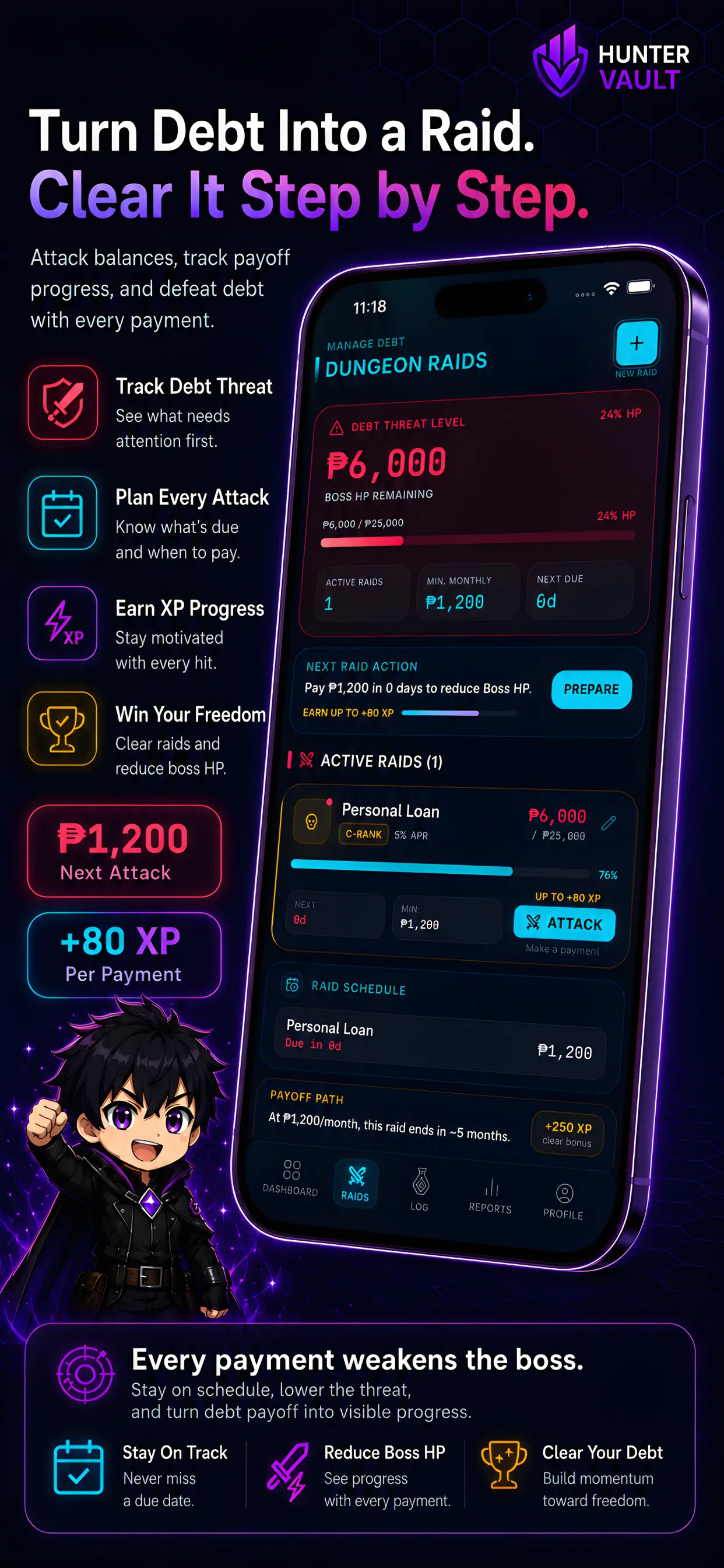
Debt payoff Yes — planner included (Plus) Yes — War Plan method; up to 3 free debts, unlimited with Elite
Savings goals Yes Yes — up to 2 free; unlimited with Elite
Gamification None Quests, XP, ranks, streaks, optional leaderboard
Motivation built in None Built-in RPG progression
Platforms iOS, Android, Web iOS and Android
// honest take

Where PocketGuard is honestly the better pick.

We'd rather you find the right tool than the wrong one.

Choose PocketGuard if you want automatic transaction import, a single clean safe-to-spend number from your live bank balance, and you prefer a hands-off approach where the app does the math for you. PocketGuard's lifetime plan at $99.99 is also worth comparing directly to an annual subscription — it could work out cheaper over a few years if you commit to it. The bill detection and subscription tracker are genuinely useful features for people who lose track of what's pulling from their account each month.

Hunter Vault doesn't link your bank, doesn't auto-import transactions, and requires you to log expenses yourself. If zero-effort automation is what you need, PocketGuard delivers that better than Hunter Vault can.

Hunter Vault budget overview screen
// where it fits

Built for the people hands-off apps couldn't keep engaged.

Here, logging an expense completes a quest. A week of tracking builds a streak. Paying down a debt clears a dungeon. Saving toward a goal fills a vault you can watch grow. It's the same money work — it just finally feels like progress, because it is.

And because your budget lives on your device by default and works offline, you can start without creating an account or connecting a single account.

  • Had a synced budgeting app and still overspent because the data was invisible until you looked
  • Don't want to give any app access to your bank accounts
  • Outside the US where PocketGuard's bank sync doesn't work
  • Would actually keep going if logging an expense gave you something back
Hunter Vault add expense screen with XP reward shown
// private by default

Your data stays on your device by default.

Never linked to your bank

Budgeting works fully offline

No sign-up needed

Private by default

// pricing

Two different answers to "how much does this cost?"

PocketGuard's lifetime option is competitive on price, but still requires bank access. Hunter Vault's Elite is cheaper and fully offline.

PocketGuard
$74.99/yr

or $12.99/mo · $99.99 lifetime · limited free tier

  • Limited free tier — basic syncing and a restricted feature set
  • Plus ($74.99/yr or $12.99/mo): unlimited budgets, debt planner, custom categories, export
  • Lifetime ($99.99 one-time): same as Plus, no recurring fee
  • Bank sync required to use In My Pocket (core feature)
  • Full features require Plus or Lifetime — free tier is limited
Hunter Vault
Free to start

Hunter Elite: $15.99 one-time purchase

  • Core budgeting free — expenses, budgets, goals, debt, bills, quests, XP & ranks
  • Free limits: up to 8 budgets, 3 recurring entries, 5 accounts, 3 debts, 2 savings goals
  • Hunter Elite ($15.99 one-time) — removes all limits, unlocks themes & advanced reports
  • Optional cloud sync subscription (₱49/mo) — cloud backup + multi-device sync, separate from Elite
  • Optional Hunter Pass subscription — credits for the Huntee AI assistant and Smart Import from screenshots and PDFs (CSV import is free)
  • Budgeting never requires a subscription — Elite is pay-once, no bank link needed
// questions

Frequently asked questions

PocketGuard's 'In My Pocket' subtracts bills, savings contributions, and budget limits from your live bank balance to show what's safely spendable right now. Hunter Vault shows Safe-to-Spend based on your manually entered income, budgets, recurring bills, and savings goals — the same concept, but derived from your own inputs rather than a live bank feed. No account or bank connection is required.

PocketGuard has a limited free tier, but most useful features — unlimited budgets, debt payoff planner, custom categories — require PocketGuard Plus at $74.99/year, $12.99/month, or a $99.99 lifetime one-time purchase. Hunter Vault's core budgeting is free with tier limits (up to 8 budgets, 3 recurring entries, 5 accounts, 3 debts, 2 savings goals). Hunter Elite removes those limits for a one-time $15.99 purchase. Budgeting never requires a subscription; Hunter Pass (for the Huntee AI assistant and Smart Import from screenshots and PDFs) and cloud sync (₱49/month) are separate optional subscriptions.

Yes — Hunter Vault never connects to your bank. You log expenses manually or import a CSV. The app works offline and needs no account for core budgeting. PocketGuard's core feature, In My Pocket, requires bank sync to work because the number comes from your live bank balance.

People who want automatic transaction import, a single safe-to-spend number derived from live bank data, and prefer a hands-off, low-effort approach to tracking. PocketGuard is also a reasonable pick if you want the $99.99 lifetime option and don't mind linking your bank. If you don't want to log anything manually, PocketGuard is the better fit.

Manual entry creates a moment of awareness that automation skips. Every expense you log is a micro-decision you notice — a chance to ask 'was that worth it?' before the day ends. Hunter Vault adds game mechanics (quests, XP, ranks, streaks) so those moments become something you want to do rather than forget to do. The awareness builds over time; PocketGuard's automation keeps running whether you engage or not.

// your first quest

Log your first expense.

Download Hunter Vault free on iOS and Android. No subscription required, no bank sync, no account — just you, your spending, and the XP waiting on the other side of that first log.

  • Free to start
  • No account needed
  • Works offline
See all features →
Hunter Vault expense tracking screen showing quest progress

Hunter Vault is independent and not affiliated with PocketGuard. "PocketGuard" is a trademark of its respective owner, referenced here only for honest comparison. PocketGuard pricing and features described above were checked on October 2026 — see pocketguard.com for current details.

This page is general educational and product information, not financial advice. Choose a budgeting method that fits your income, responsibilities, and situation.